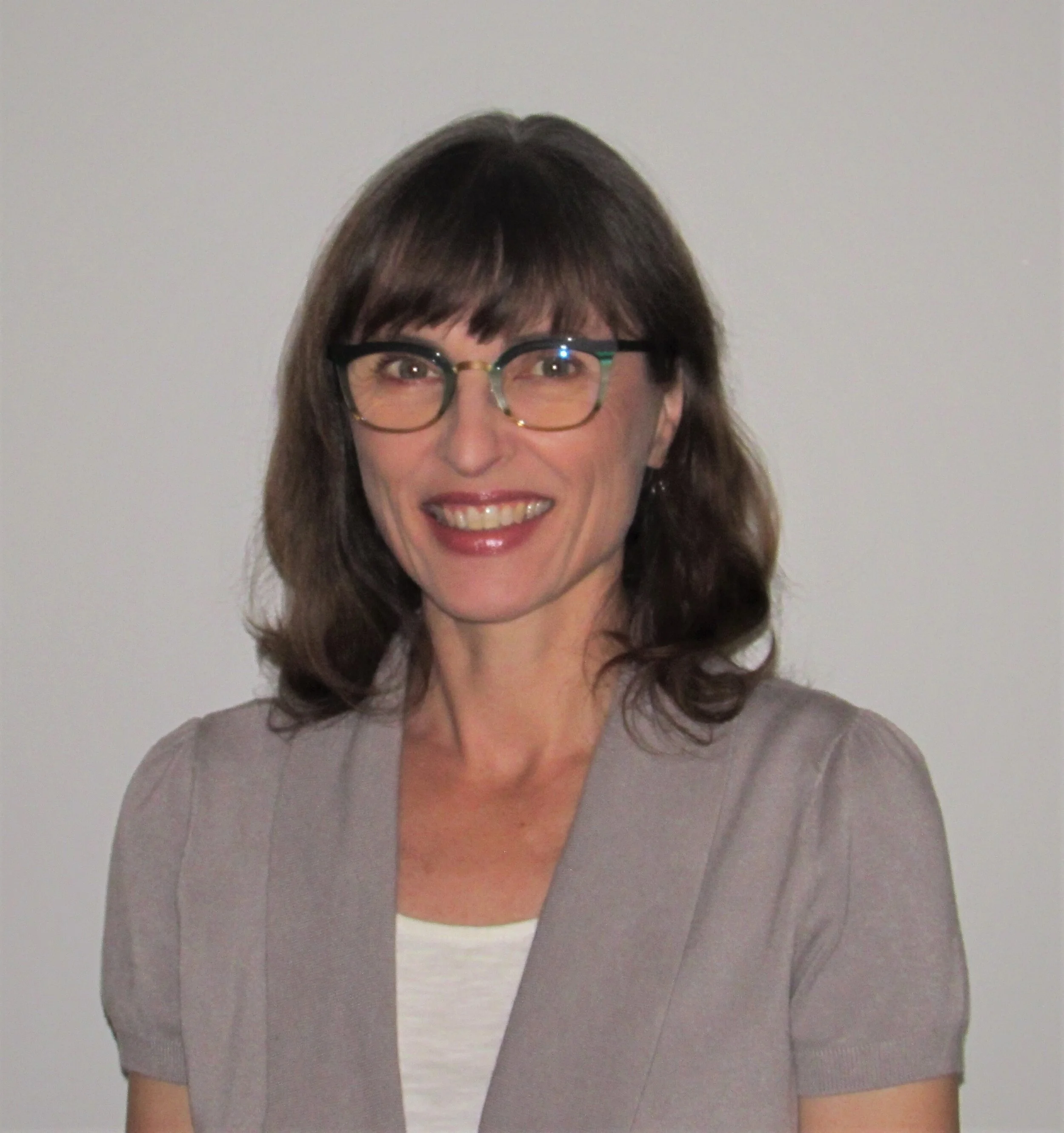
What we are wearing - Claire's new glasses

Claire has chosen a Face a Face frame, acetate with a detailed pattern.

Frame: Face a Face Bahia 4 Col 4321

Lens: Hoya Mystyle Profile Detail progressive, 1.67, clear lens with a Diamond Finish anti-reflection coating.
Screenshot 2021-08-10 145340.png

Another acetate (plastic) frame - is this your preference now?

The fit of the Face a Face frame is exceptionally comfortable - this is the 4th pair of these I have had. I do have a very light metal frame (Blackfin) but the acetates are fun.

How do you find the vision?

This new prescription is an improvement for reading - which is appreciated. I am staying with the same progressive design, Detail because I like the clarity. I switch between different pairs of glasses and don’t notice a difference apart from the close range - clearer with the more recent prescriptions. The field of view is easy, and if I am gardening on a steep bank everything seems good.

With all your glasses how do you chose what to wear?

Having different frames is definitely a fun part of being an optometrist. Mostly I coordinate with whatever I am wearing for work. On a day off it is usually less curated! Days off I choose glasses with photochromic lenses - way more comfortable and suits being outside.
NZ Retinal Screening AI to launch

Screenshot 2021-08-10 122513.png

Auckland ophthalmologist Dr David Squirrell is leading the charge to save the eyesight of New Zealand diabetes patients through the development of AI technology.

Along with his team at Toku Eyes, Dr Squirrell has developed artificial intelligence software to help screen for diabetic retinopathy. This is a vital step to preventing visual impairment and irreversible sight loss.

Toku_Eyes_banner_6_1280x480.jpg

Diabetes is the leading cause of blindness in working age adults, but 40 percent of diabetic patients in New Zealand are still not being screened for diabetic retinopathy.

Toku Eyes hopes to encourage more people to get screened by making the process faster, more accessible, and even more accurate.

Listen to this RNZ interview when Kathryn Ryan speaks with Dr David Squirrell, chair of the Northern Region Diabetic Retinopathy Screening Governance Committee. 

Anna Joplin - Optometrist

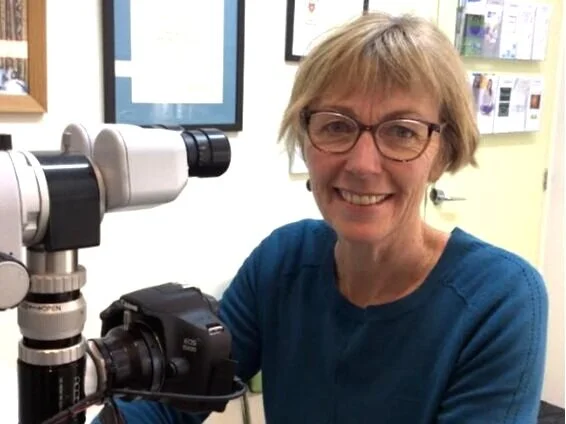
Optometrist Anna Joplin will be a familiar face to many of you. Anna is in her third year working alongside Claire and Sally. We asked her to tell us more about herself and her career in optometry.

“My name is Anna, I am Welsh, coming from the fabulous rugby mad capital- Cardiff.

IMG_1955 (1).JPG

At the age of 7 I was the youngest person my inspirational Optometrist fitted with contact lenses. I loved my appointments and soon became fascinated with eyes. By the age of 10 I had decided I wanted to be an Optometrist.

Soon after qualifying I came to NZ. It was meant to be for an OE, but I still haven't left.

My passion is the patient journey which is so important, for people to feel at ease and informed so they make good choices about their health.”

Anna, Sally and Claire are available for online bookings.

Book an Appointment Online

or call us on 09 425 9646

A Career in Optics

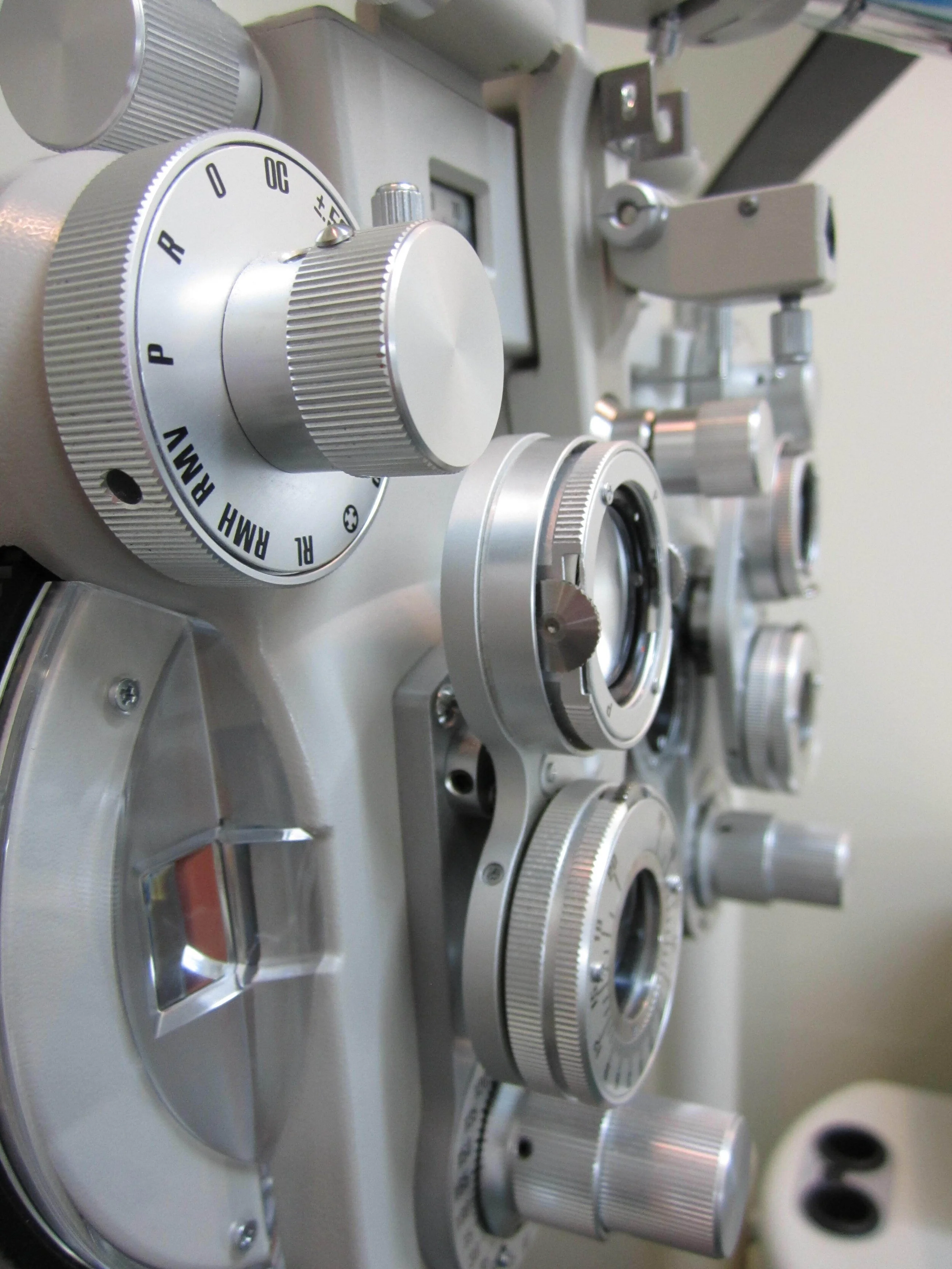
Phoropter (1).jpeg

This week is Mahurangi College’s annual Careers night. We are always keen to talk to young people about different careers in optics.

We share information about both working as Optometrists and Dispensing Opticians. Interested? Read on.

OPTOMETRIST

Do you like biology, physics and maths? Do you want to help people? Becoming an Optometrist may be the career for you.

What is an Optometrist?

An eye professional who examines eyes to help fix vision problems e.g. prescribing glasses or fitting contact lenses. An optometrist also diagnoses and manages eye diseases such as glaucoma and cataracts. Optometrists also remove eyelashes, treat eye infections and remove foreign bodies in the eyes!

How do I become an Optometrist?

image1-28miboi.png

You need a Bachelor of Optometry (BOptom) from the University of Auckland. Your first year is in the Bachelor of Science degree doing the biomedical science specialisation (like first year students doing medicine). Then you apply for the Bachelor of Optometry degree. Candidates are selected for interviews based on grades, and places offered based on grades & interview. B Optom degree takes 4 further years. Once you have a BOptom you are a fully qualified optometrist (no internship required).

Is optometry all just glasses?

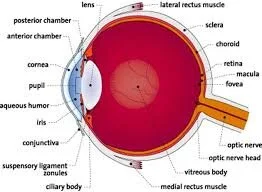
eye diagram.jpg

No.  Although prescribing glasses is part of an optometrist’s role, there are multiple specialisations including paediatrics, low vision, behavioural optometry (working with children with learning difficulties and patients with head injuries), sports optometry, hospital optometry and contact lenses.

Do I have to do surgery?

No, optometrists are not medically trained and don’t do surgery. A person who needs eye surgery is referred  to an eye specialist (called an ophthalmologist). Optometrists can treat many other eye conditions with prescription medications. 

What are the job prospects like?

Good. Most graduates succeed in getting a job after university. The population is aging so there is  a greater need for glasses and more eye disease. With a BOptom you can work in New Zealand and Australia.

What is the work/life balance like as an optometrist?

Very good. Regular office hours and the freedom to choose where to live and work.

Qualities of a good optometrist:

Accurate, eye for detail, good communicator, friendly and loves meeting new people, ability to think on your feet, problem solving

DISPENSING OPTICIAN

Are you doing Level 2 Maths? 

Do you want to help people? Are you interested in getting a qualification while you work? Find out about becoming a Dispensing Optician. 

What is a Dispensing Optician?

ADONZ.jpg

Dispensing Opticians (DO’s) interpret prescriptions from optometrists and ophthalmologists (eye specialists) for glasses or contact lenses, help people find suitable frames and lens systems, and fit and assemble glasses. DOs are qualified and registered Healthcare Practitioners.

DO’s need up-to-date knowledge of frames and lenses. Technology is constantly changing and new developments are improving what is possible  with frame and lenses.

How do I become an DO?

DO’s train on the job, completing a correspondence course with Open Training and Education Network (OTEN) through TAFE NSW, Australia. Training also includes several block courses (usually held in New Zealand). To achieve the qualification students must have completed 100 hours of work as well.

Where do DO’s work?

DO’s own and operate their own businesses, or work for optometrists or corporate optical outlets. 

Qualities of a good DO

Accurate, eye for detail, good communicator, friendly and loves meeting new people, enjoys teamwork, problem solver. 

Want to know more?

Contact us if you would like to find out more about this career choice. We are happy to offer work experience visits. We can help you find training opportunities if you think a career in Optics is appealing.

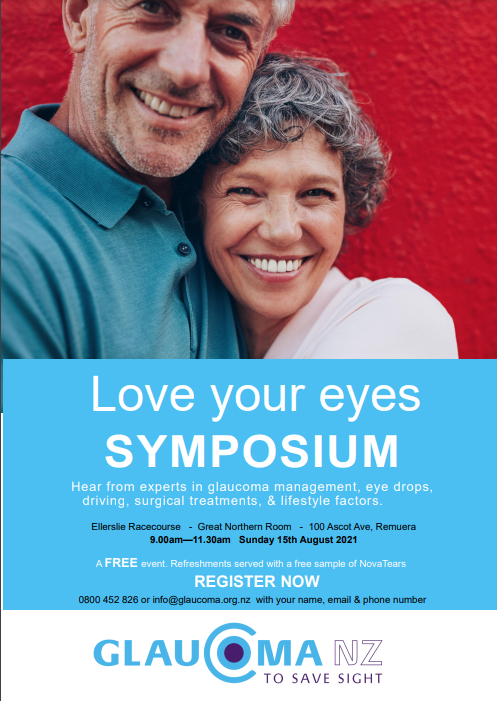
You are invited to Glaucoma NZ Symposium - 15 August 2021

Glaucoma New Zealand - Annual Symposium Sunday 15 August 2021 9am-11.30am, in the Great Northern Room at Ellerslie Racecourse.

Glaucoma is often referred to as the ‘thief of sight’ because the most common form of glaucoma has no symptoms. The damage to the optic nerve happens over time and is irreversible.

The symposium is a chance for people living with glaucoma, and their families and/or caregivers, to access information and valuable insights regarding living with and managing the disease.

This is a unique opportunity to access the expertise as the meeting will be lead by Ophthalmologist and Glaucoma Specialists Dr Jim Stewart, Dr Hussain Patel and Dr Divya Patel.

Topics include: Treatment & Surgery in Glaucoma, Lifestyle Factors, Types of Glaucoma, The latest Glaucoma Research.

For more Information:

info@glaucoma.org.nz

Website: Glaucoma New Zealand

Registration for the Event

Phone number: 0800 452 826 (0800 GLAUCOMA)

Sally Adams Behavioural Optometrist - a profile

Behavioural optometrists understand that Vision is much more than the size of letters seen on a chart. Seeing “20/20” is no guarantee of comfortable, effortless, visual perception. Vision is a dynamic process, integrated with the rest of our senses and body. Vision encompasses how we interpret what we see and how we direct our actions in response to these inputs from throughout our body.

Banner photos - newsletter (3).png

When a child or adult has poor focus ability, eye teaming or eye movements, vision becomes uncomfortable, possibly blurred or even double. This reduces attention for learning, driving, working or sporting activities.  Some of these deficits may be evident from an early age, such as amblyopia (lazy eye) or strabismus (eyes misaligned). Or difficulties may become apparent in the early to mid primary school years as text becomes smaller and more demanding. Adults may develop binocular vision difficulties following a stroke or brain injury, or eye teaming problems may emerge as our focusing system wanes beyond our forties.

Recent research shows vision training has effects not just on eye muscles, but also throughout the visual pathways of the brain. Modern forms of amblyopia treatment are being developed based on the evolving understanding of neuroplasticity.

I often see young children and teenagers as well as adults who have developed visual discomfort, blur or double vision due to visual skill dysfunctions. With in-depth Binocular Vision Assessment, I can explore how their vision process responds when the visual system is placed under stress, highlighting areas of weakness or maladaptation. An individualized, age-appropriate Vision Therapy program is designed to address their needs. A primary aim in Office and Home Vision Therapy sessions is to have a sense of curiosity about how your visual system works and how you can change it. Each vision activity provides an opportunity to discover using your vision in a more efficient, effective way.

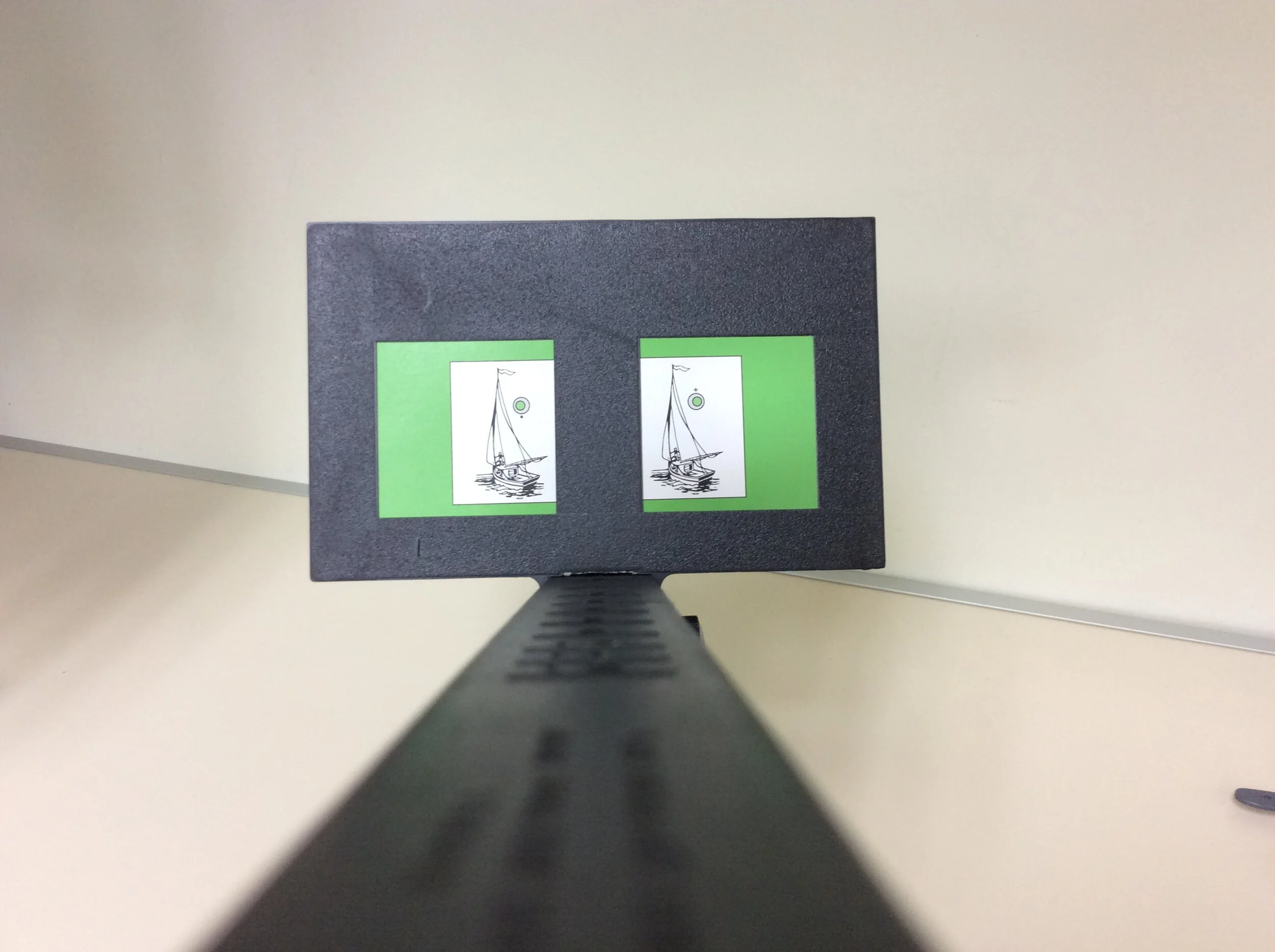
An Aperture Rule is used to work on eye teaming skills

An Aperture Rule is used to work on eye teaming skills

Working with children and parents, who become  “home vision therapists”, is both challenging and rewarding for everyone involved. Daily home practice develops and consolidates vision skills. We meet fortnightly to review progress and go through activities that require specialised equipment or guidance not suitable for home practice. New activities are introduced as vision skills develop. As well as improved visual function, comfort and clarity, I often see self-confidence increase.

2020-05-03 12.30.35.jpg

As we learn more about neuroplasticity, and new delivery methods are developed, Vision Therapy is becoming more widely recognised as an exciting vision treatment for all ages.

I have spent the past six years furthering my Vision Therapy skills and knowledge through ACBO (Australasian College of Behavioural Optometry https://www.acbo.org.au/ ) and OEP (Optometric Extension Program https://www.oepf.org/ ). You may like to visit these websites to learn more about Behavioural Optometry (also known as Developmental Optometry).


Book an Appointment Online

or call us on 09 425 9646