World Sight Day 2026 # Love Your Eyes

World Sight Day, on the 8th October 2026, is a global awareness day to focus attention on vision impairment, including blindness.

LYE-logo-horizontal-English.png

Globally, at least 1 billion people have vision impairment that could be prevented or has yet to be addressed. Vision impairment affects people of all ages, with the majority being over the age of 50. Vision impairment and blindness can have major and long-lasting effects on all aspects of life, including daily personal activities, interacting with the community, school and work opportunities, and the ability to access public services.

Unoperated cataract and uncorrected refractive error are the leading causes of vision impairment. Other causes such as age-related macular degeneration, glaucoma, diabetic retinopathy, infectious diseases of the eye, and trauma, however, cannot be ignored and need to be addressed. 

What action can you take? Firstly prioritise your own eye care. As well as identifying problems early, regular eye examinations improve general understanding about eyes and vision. Talk to family members and check they are also having routine eye checks from age 40 onwards.

Protect your eyes from Blue Light on your Screen

Not all blue light is bad - some exposure is good for our health. Exposure to natural blue light from sunlight during the day helps us to stay alert, perform well and positively influences our mood.

Sunlight is the main source of blue light but there are also man-made sources. Fluorescent and LED lighting, flat-screen televisions, computers, smartphones and other digital devices all emit blue light. The amount of blue light emitted from these devices is small compared to sunlight levels.

As we spend increasing time on digital devices, this raises concern about possible long-term effects of blue light over-exposure on eye health.  Blue light exposure from these artificial sources can disrupt the internal body clock, particularly in the evenings – tricking our brains into thinking it’s still daytime, with potential to disrupt sleep.

It does this by inhibiting the natural production of melatonin, a hormone in our bodies that regulates sleep.

Studies have shown that wearing blue light blocking lenses when you use digital devices will reduce this effect.

Over-exposure to artificially made blue light (even during the day) can also contribute to headaches and migraines, and dry or fatigue eyes leading to blurred vision and discomfort. This collection of symptoms is becoming known globally as Digital Eye Strain, or Computer Vision Syndrome.

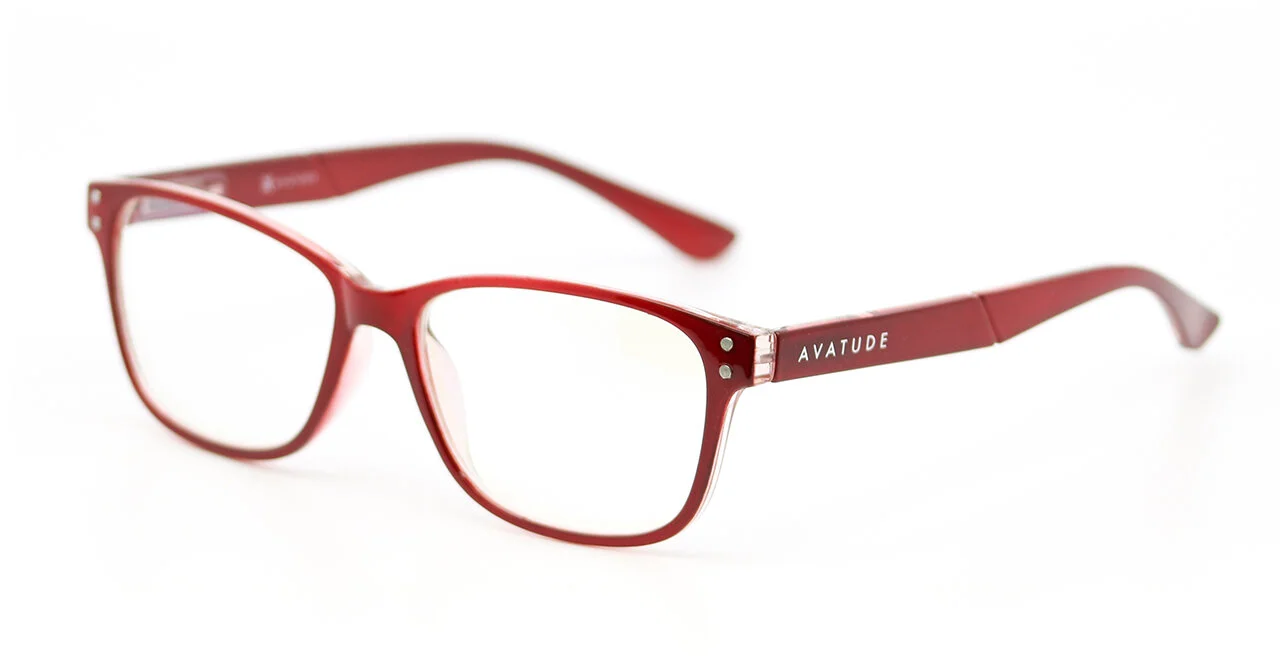
We have a solution. Avatude Blue Light Eyewear combines comfortable & stylish frames with quality UV400 and UV420 blue light blocking lenses to reduce digital eye strain. These are perfect for people who do not use prescription glasses.

Check out our range.

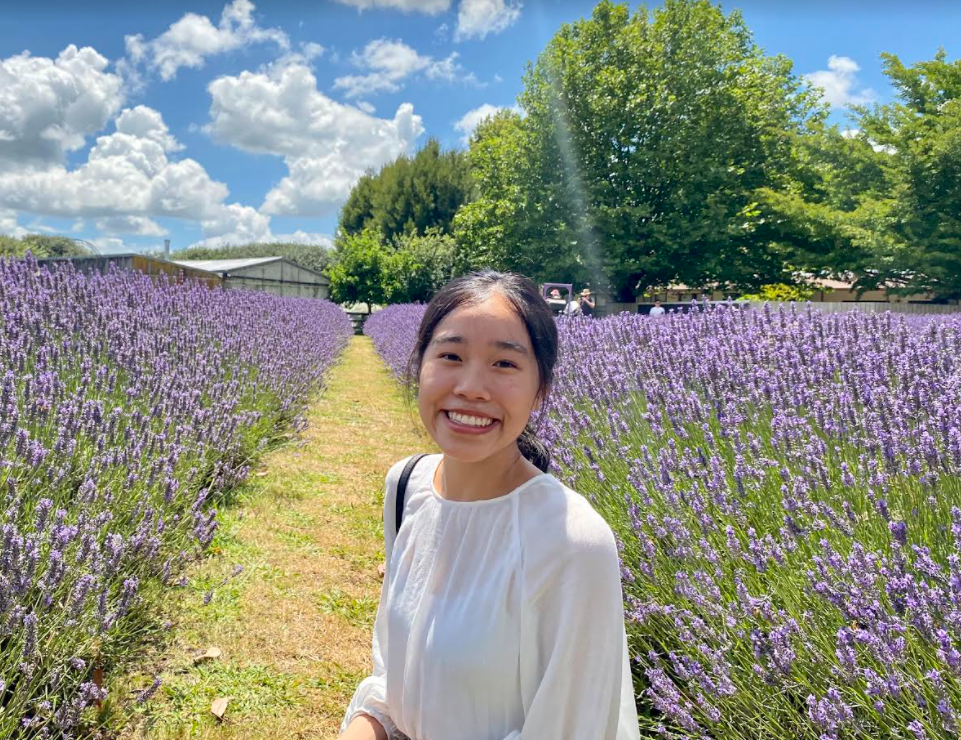
Jackie Low - Extern Optometry Student 2022

Jackie Low is a final year student completing her optometry externship at the University of Auckland.

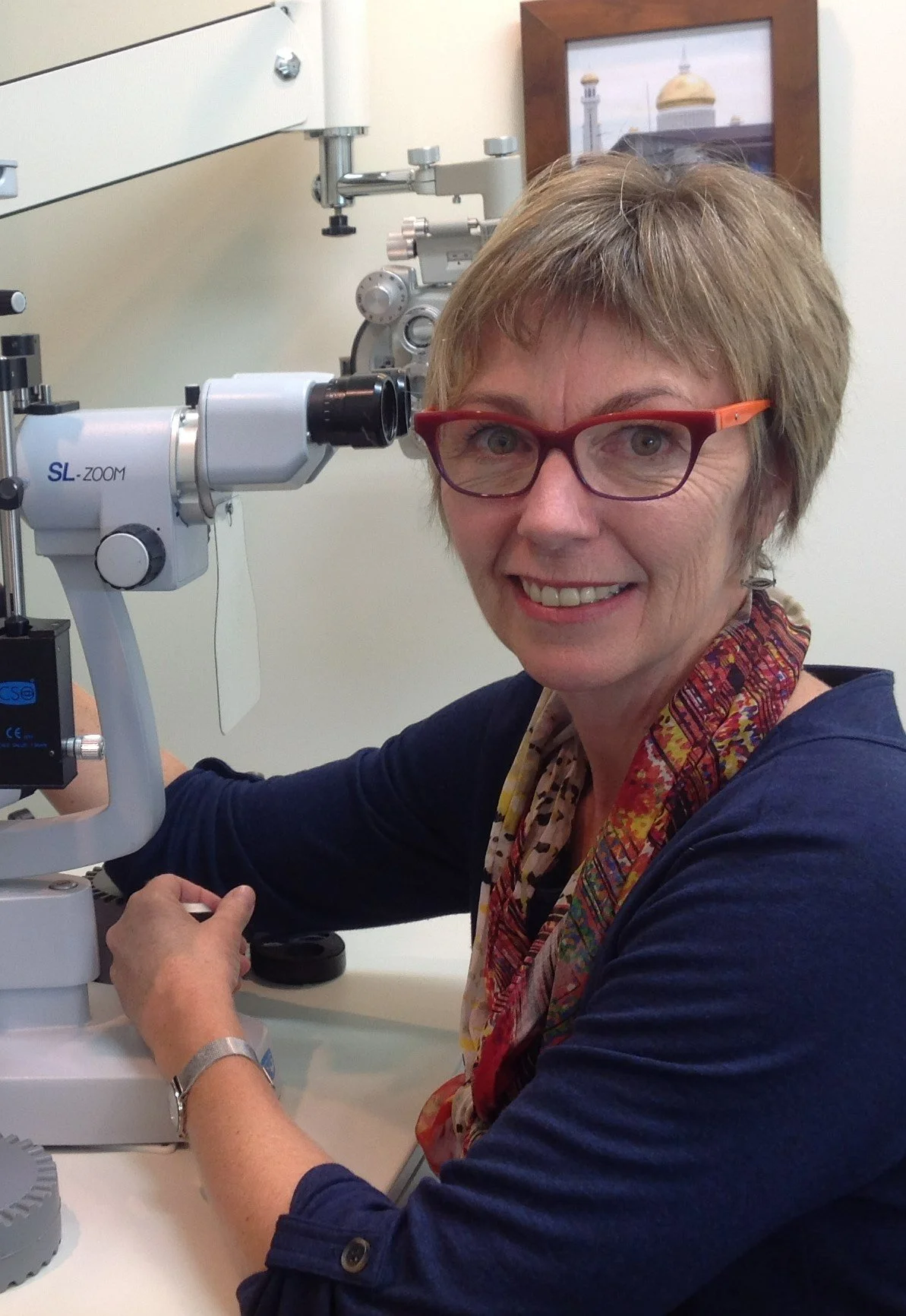
Claire and Sally will be supervising Jackie and reviewing her findings. We invite you to make an appointment with Jackie. 

Please allow an hour and note the examination fee will be reduced to $75. We are delighted to be able to mentor and support final year students here at McDonald Adams Optometrists.

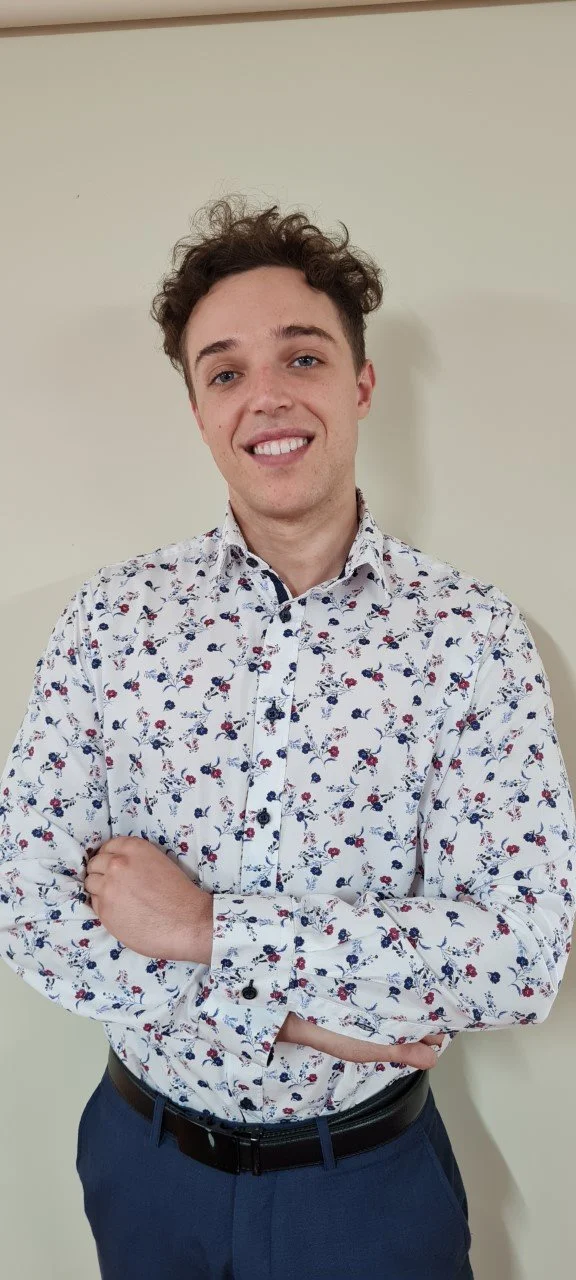
Vlad Zorzoliu - Optometrist

Optometrist Vlad Zorzoliu has joined us. Vlad completed his Optometry studies at the University of Auckland and has been working at Central Otago Optical in Alexandra.

Vlad loves the way as an optometrist you can help people see better; in his words ‘be an advocate for eye health’.

Vlad is experienced in contact lens fitting including speciality and hard lenses. He has a natural rapport with children, drawing on skills gained through coaching tennis.

We are delighted to have Vlad on our team, particularly as our appointment book has been very busy! Another optometrist will mean less wait time for a consultation.

Vlad, Sally and Claire are available for online bookings.

Book an Appointment Online

or call us on 09 425 9646

Should I see an Optometrist or a GP?

A common question! Think about it this way, a GP is a general practitioner and an Optometrist is an eye practitioner.

Often someone will go to their GP with an eye problem only to be referred to us. There is a (unfortunate) misconception that Optometrists only sell glasses. Even though that is part of what we do, finding the right prescription for your glasses probably only accounts for 20-30% of your appointment time. The rest is spent on the health of your eyes.

When to see whom?

Red eye: Optometrist

Something in your eye: Optometrist

Tired achy eyes: Optometrist

Black spots floating in your vision: Optometrist

Dry eyes/itchy eyes/burning eyes/tearing eyes: Optometrist

Anything to do with your eyes: Optometrist

It’s not that your GP does not know about eyes - they do. But as Optometrists we are specialised in eye health. We have qualifications to prescribe appropriate medications - usually eye drops - when needed. So we don’t need to refer you to GP to get a prescription.

We have the equipment to make assessments, aiming to manage things correctly from the the start so you get the best results sooner.

If the situation needs a referral to an eye specialist - an Ophthalmologist - we can take care of that too.

Bring eye problems to us. You can book online or phone for an appointment.

​ ​

Book an Appointment Online

or call us on 09 425 9646

Contact lenses create confidence for children

Children do surprisingly well with contact lens wear.

We are talking about children aged 8-12 years of age, and studies show this group of youngsters do as well as their teenage peers in managing contact lenses. Studies found some positive outcomes. Children in one study reported improved self perception in terms of their physical appearance, their athletic competence, and their social acceptance.

What about safety and hygiene?

Here children also do well. It is widely understood they will take a little bit longer to master handling contact lenses, and we will review the handling and care instructions more often, and more carefully with children. But their problem rates are not higher than the teens.

Cost and commitment?

We will fine tune the pricing once we know the exact contact lens prescription, but re-usable soft disposable contact lenses start from $3 per day, and daily disposables from $2 per day. This includes appointment fee and contact lens solutions (where appropriate) and eye drops.

Cost per day goes down in the second year as fewer appointments are needed.

For new contact lens wearers there are usually several appointments needed. Firstly to fit and teach you how to insert and remove and care for contact lenses. Then follow up visits after one week and one month. For more information see our FAQ page.

Would you like to hear a second opinion? Dr Kate Gifford is an Australian Optometrist and Researcher with extensive experience fitting children with contact lenses. She is a gifted communicator too - in this video she talks about children and contact lenses.