Contact lenses create confidence for children

Children do surprisingly well with contact lens wear.

We are talking about children aged 8-12 years of age, and studies show this group of youngsters do as well as their teenage peers in managing contact lenses. Studies found some positive outcomes. Children in one study reported improved self perception in terms of their physical appearance, their athletic competence, and their social acceptance.

What about safety and hygiene?

Here children also do well. It is widely understood they will take a little bit longer to master handling contact lenses, and we will review the handling and care instructions more often, and more carefully with children. But their problem rates are not higher than the teens.

Cost and commitment?

We will fine tune the pricing once we know the exact contact lens prescription, but re-usable soft disposable contact lenses start from $3 per day, and daily disposables from $2 per day. This includes appointment fee and contact lens solutions (where appropriate) and eye drops.

Cost per day goes down in the second year as fewer appointments are needed.

For new contact lens wearers there are usually several appointments needed. Firstly to fit and teach you how to insert and remove and care for contact lenses. Then follow up visits after one week and one month. For more information see our FAQ page.

Would you like to hear a second opinion? Dr Kate Gifford is an Australian Optometrist and Researcher with extensive experience fitting children with contact lenses. She is a gifted communicator too - in this video she talks about children and contact lenses.

Holly's Telescope

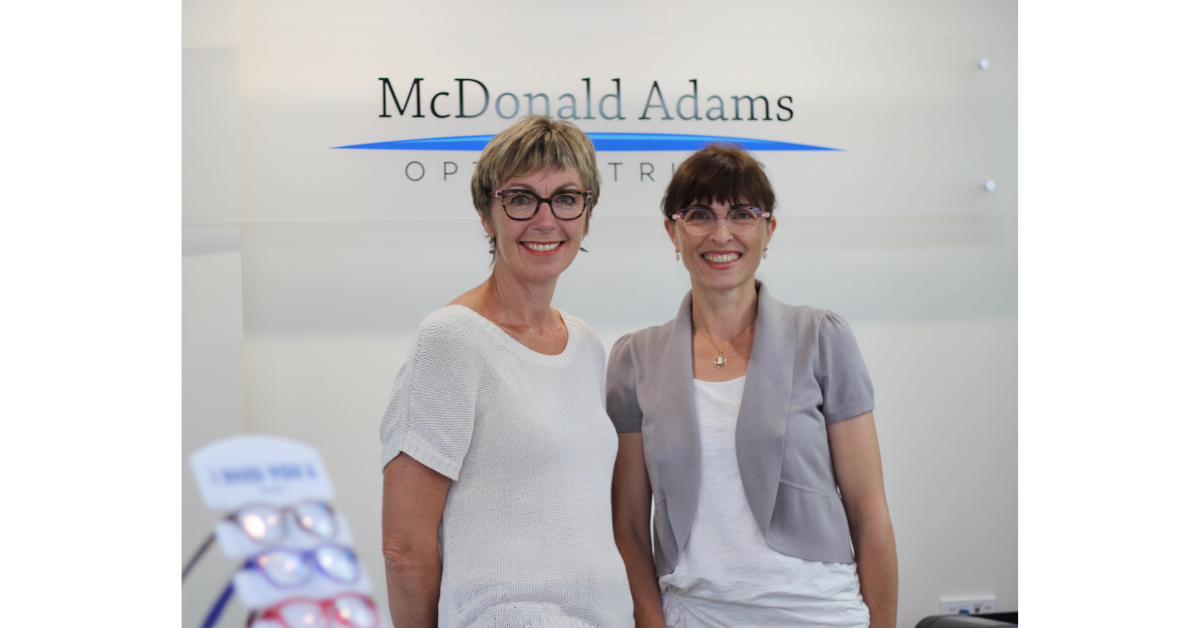
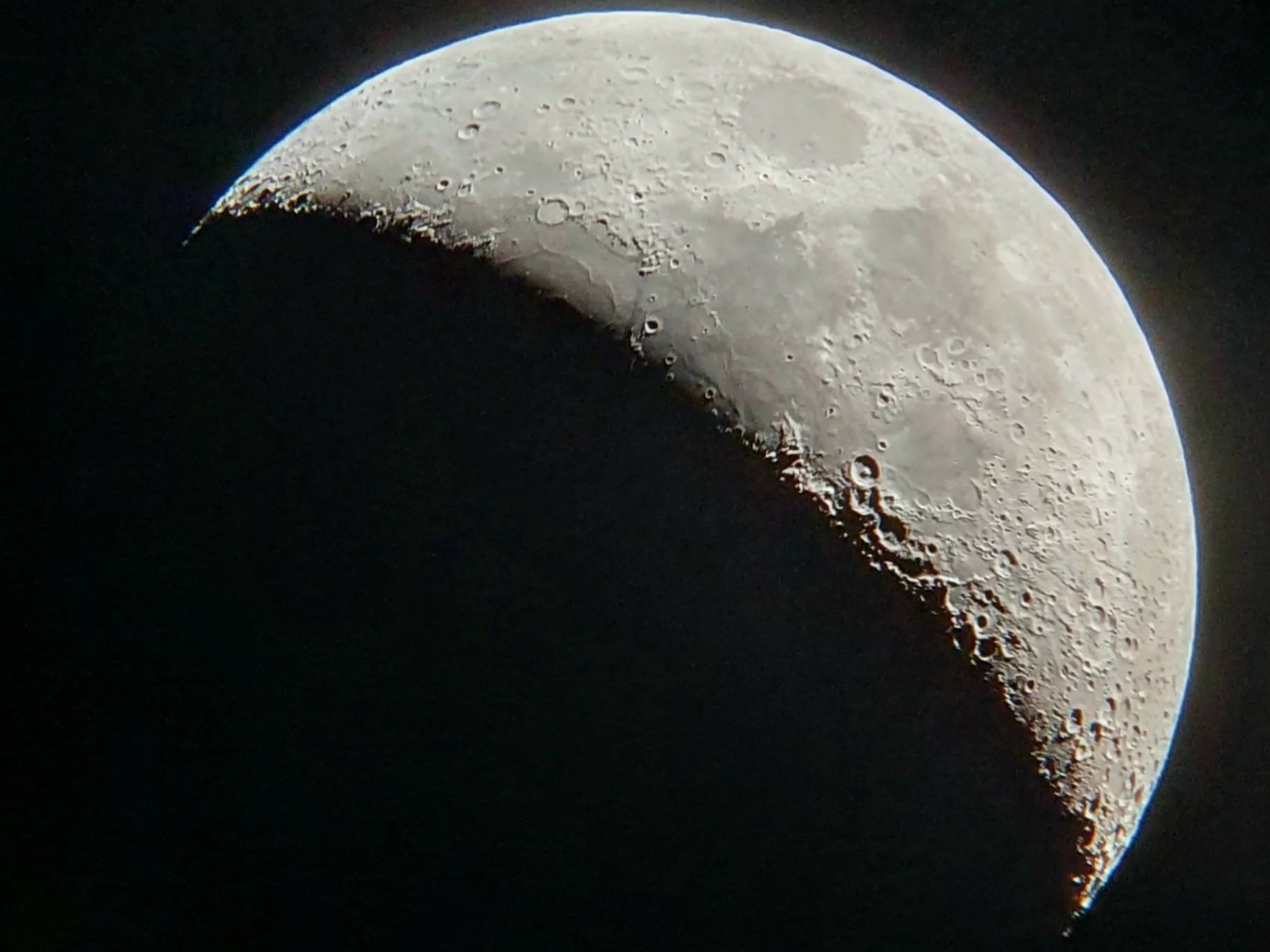
Not only is Holly immersed in optics at work and studying in her own time, to relax she still turns to optics! She has a telescope and enjoys the chance to gaze skyward. Here are some stunning photos she took recently on a clear night.

If you are interested in details here are the specs from Holly:

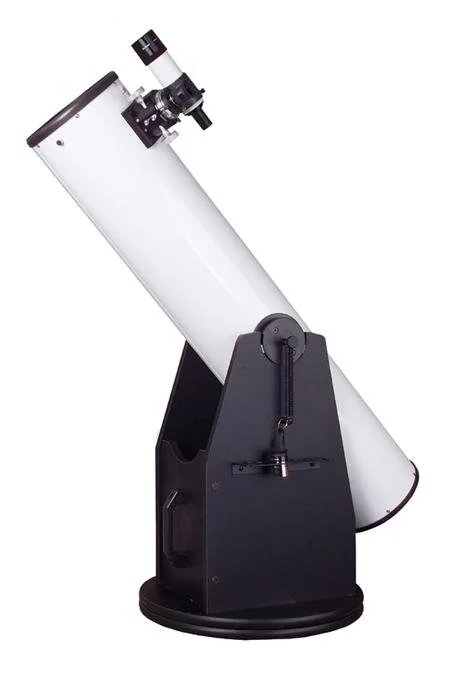
T-GS580_450x673 Holly's Telescope.jpg

The telescope is an Astronz Dobsonian 6' Newtonian telescope.

I typically have bright wide-field views of deep sky objects such as galaxies, nebulae and at times the spiral structures of some galaxies. My view of the moon and planets are sharp, seeing the detail in the moon's craters to Saturn's rings and Jupiter's atmosphere.

The telescope has a 6 inch primary mirror located toward the bottom end of the barrel. The mirrors are made with optical quality BK7 glass, which is considerably better than the industry norm.

The telescope is easy to carry around. The tube is 9kg and 1100mm long (it just fits in my Swift). The plyboard base is a bit heavier at around 14kg.

Level 3 Optometry

We are open - here is an update on how we are operating safely in Level 3, phase 1 (until Wednesday 3 November 2021).

Appointments

We can now see you to check your vision, eyes and glasses prescriptions. We can investigate any concerns about vision and eye health. If you have noticed changes in your sight, or if you are struggling with your glasses, we can help you now.

We will be asking you screening questions: any symptoms? and are you waiting on a Covid test result?

We meet all the Ministry of Health requirements:

  • Fully vaccinated team

  • Maximised natural ventilation

  • Infection Prevention and Control procedures

Please phone or email us to book an appointment, or if have any concerns, we are here to help. Phone 09 425 9656 or email admin@mcdonaldadams.co.nz

Doctors Stand Up For Vaccination FAQ

In late August, a grassroots group of New Zealand doctors got together to answer a question: how can we help the people of Aotearoa New Zealand gain accurate information about the Pfizer vaccine?

They decided the best thing they could do was to show a strong and united stance: to speak publicly to the people of New Zealand in support of vaccination against Covid-19. A group called Doctors Stand Up for Vaccination was formed.

What is their message? It is this:

“We overwhelmingly support vaccination against Covid-19. It is safe, and it is effective. Serious side effects are very rare, and much less common than the same complications experienced in Covid sufferers.

We know that people have many questions, and we encourage you to read our FAQ document, which may help answer some questions and allay some fears.

This is a hard time for Aotearoa New Zealand, but together we will get through this.”

This group has listened, and identified the questions doctors are being asked on a regular basis: “Is the vaccine safe? How effective is it? What are the possible side effects, and how do they compare to the risk of catching Covid-19? How is the vaccine being monitored? Can I have it if I’m pregnant? How about if I’m immunocompromised?”

The result is a Frequently Asked Questions document to answer the most common questions. Read this document here.

Protect your eyes from Blue Light on your Screen

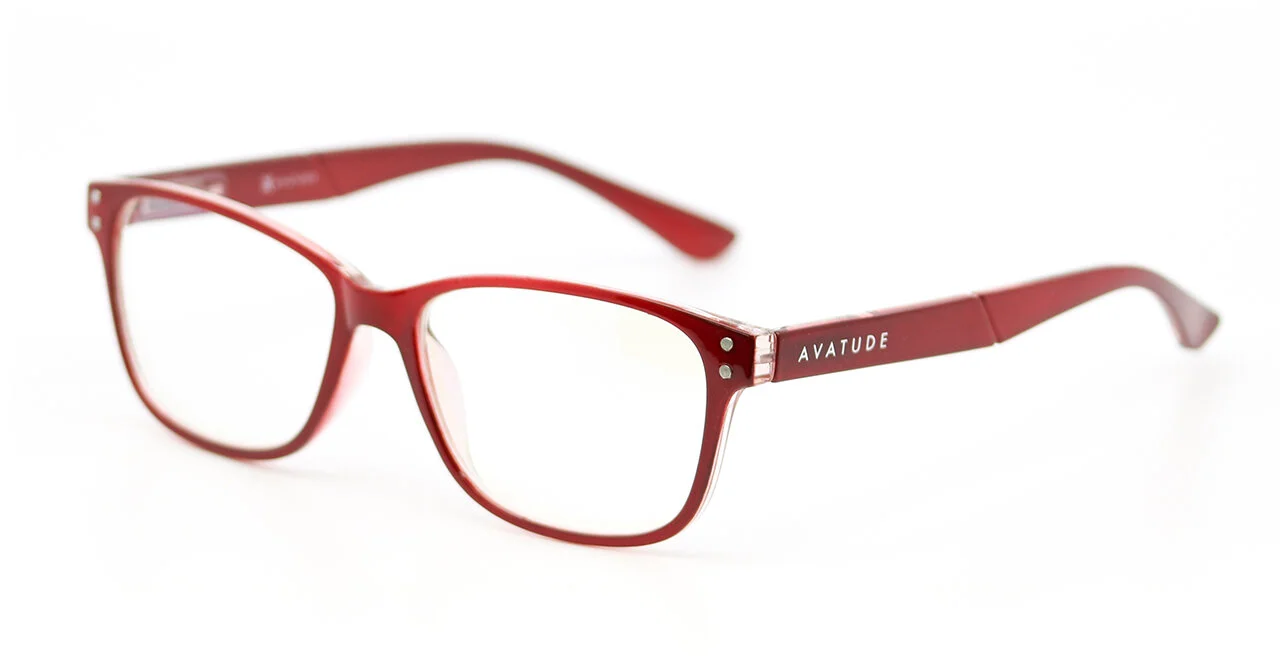
Buy Avatude Glasses here

Not all blue light is bad - some exposure is good for our health. 

Sunlight is the main source of blue light but there are also man-made sources. Fluorescent and LED lighting, flat-screen televisions, computers, smartphones and other digital devices all emit amounts of blue light. The amount of blue light from these devices is small compared to levels from sunlight.

Exposure to blue light from the sun during the day is good for us, helping us to stay alert, perform well and stay in a good mood.

With people spending increasing amounts of time on digital devices, this raises concern about possible long-term effects of blue light over-exposure on eye health.  Exposure to blue light from these artificial sources can disrupt the internal body clock, particularly in the evenings – tricking our brains into thinking it’s still daytime, with potential to disrupt sleeping.

It does this by inhibiting the natural production of melatonin, a hormone in our bodies that regulates sleep.

Studies have shown that wearing blue light blocking lenses when you use digital devices will reduce this effect.

Over-exposure to artificially made blue light (even during the day) can also contribute to headaches & migraines, and dry or fatigued eyes leading to blurred vision and discomfort. This collection of symptoms is becoming known globally as Digital Eye Strain, or Computer Vision Syndrome.

We have a solution. Avatude Blue Light Eyewear combines comfortable & stylish frames with quality UV400 and UV420 blue light blocking lenses to reduce digital eye strain. These are perfect for people who do not use prescription glasses.

Check out our range, which is also available in our online store.

World Sight Day 2021 - Love your eyes

World Sight Day is an annual day of awareness to focus global attention on vision impairment, including blindness. This year, World Sight Day will take place on October 14, 2021 with the theme: Love Your Eyes.

LYE-logo-horizontal-English.png

Globally, at least 1 billion people have vision impairment that could be prevented or has yet to be addressed. Vision impairment affects people of all ages, with the majority being over the age of 50. Vision impairment and blindness can have major and long-lasting effects on all aspects of life, including daily personal activities, interacting with the community, school and work opportunities and the ability to access public services.

Unoperated cataract and uncorrected refractive error are the leading causes of vision impairment. Other causes such as age-related macular degeneration, glaucoma, diabetic retinopathy, infectious diseases of the eye, and trauma, however, cannot be ignored and need to be addressed. 

Recently at the 74th World Health Assembly, Member States adopted two new global targets for eye care by 2030  ̶  a 40 per cent increase in effective coverage of refractive errors and a 30 per cent increase in effective coverage of cataract surgery. These targets will play a key role in not only increasing global eye care coverage in the future but also in delivering quality services.