
Many areas of medicine adopt proactive ways to manage disease, aiming to mitigate against progression of a condition through positive lifestyle choices. We have some strategies to share which are appropriate if you are being monitored for signs of glaucoma developing, and if you already have been diagnosed with glaucoma.
This proactive, preventive model for glaucoma care focuses on five key lifestyle, non-pharmacological pillars.
Pillar 1: Physical Activity

A link between physical activity and eye health
Physical activity is well recognised for its systemic health benefits. There is emerging evidence of an association between physical activity and eye health in glaucoma.
With the exception of one type of glaucoma (pigment dispersion) aerobic exercise has consistently been associated with temporarily lowering eye pressure. Eye pressure reduction occurs within minutes of walking, jogging, or cycling, and may be sustainable for up to 30 minutes.
There may also be a further benefit through exercise, attributed to blood flow to the nerve in the eye.
However there are also a few cautions associated with exercise and glaucoma. It is recommended to exhale when doing strength training, to use large goggles when swimming, and avoid head down positions in Yoga.
Pillar 2: Stress Management
Psychological stress is increasingly recognised as an influential factor in eye pressure control. So any eye-pressure-lowering strategy should include stress management as part of a holistic approach.
Mindfulness meditation was first reported to reduce IOP in 2018 including a technique called 365 breathing – deep breathing with six breaths per minute for five minutes, three times a day.
Managing stress through mindfulness meditation or 365 breathing is safe, non-invasive, easy to implement, and effective. These techniques empower people with a natural way to help lower eye pressure as well as reducing the effects of stress on overall health.
Pillar 3: Sleep Right
Quality sleep is crucial for restoring bodily function, and eye health is no exception. Snoring, daytime sleepiness, sleep apnoea, insomnia, long sleep duration (over nine hours) and short sleep duration (under seven hours) are all associated with more progression in glaucoma.
With sleep, the position also matters, and can influence eye pressure. Night time eye pressure tends to go down for sleeping positions which lift the eye and head above the rest of the body. Side-lying positions can result in a higher eye pressure in the lower eye.
Pillar 4: Diet and Nutrition
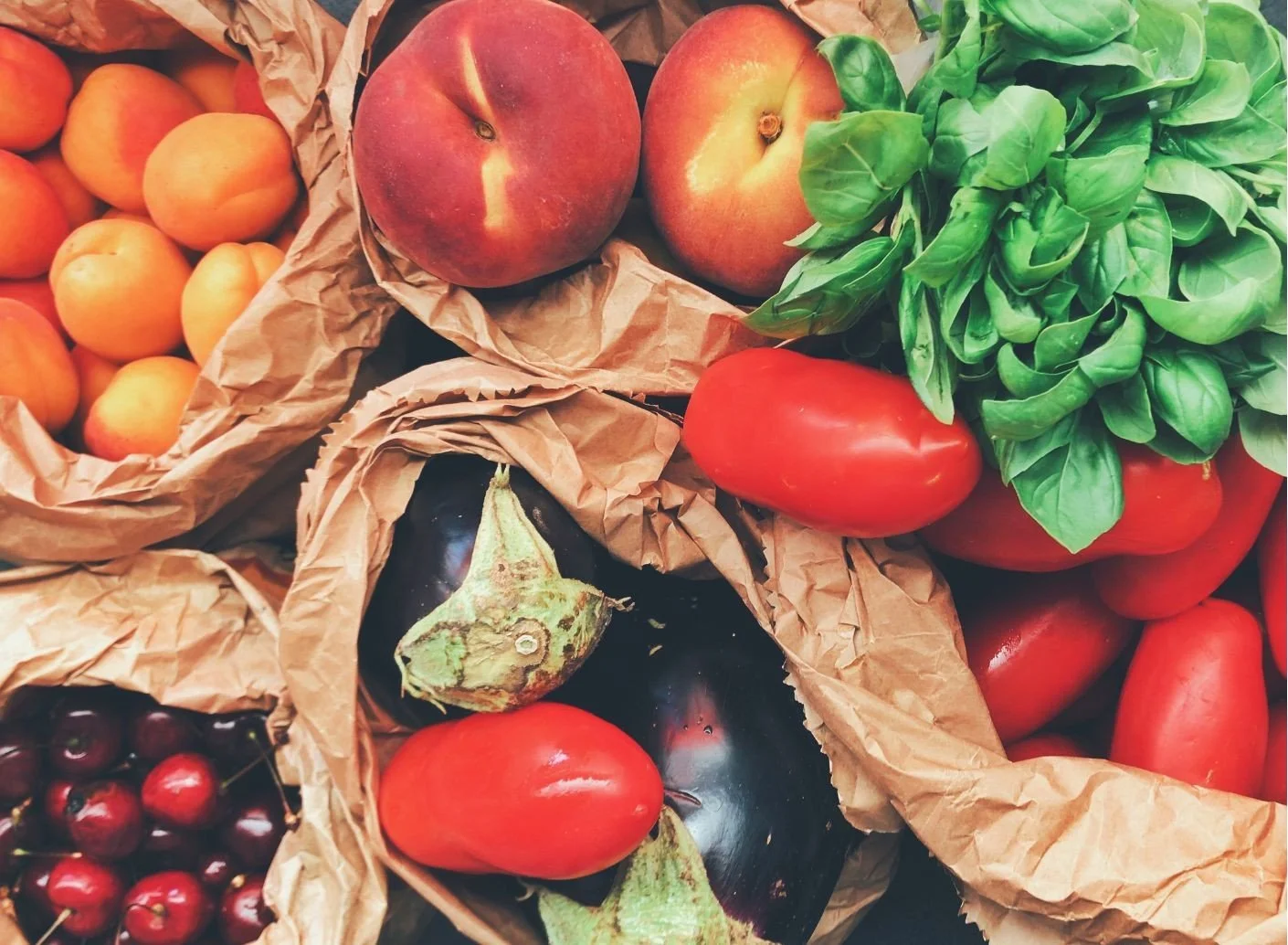
A healthy diet can maintain eye health
Diet and nutrition are key factors in maintaining eye health for people at risk of glaucoma. Specific nutrients have been linked to a reduced risk of glaucoma onset and progression, while a diet high in antioxidants and low in processed foods may help protect the optic nerve. Incoporating a variety of colourful fruits and vegetables into your daily diet which include essential vitamins – A, B, C, and E - is recommended. Fatty fish including salmon, mackerel, sardines, and anchovies are excellent sources of omega-3 fatty acids, which has also been associated in reducing the odds of glaucoma. (On the other hand, ultra-processed foods high in refined sugar, salt, and saturated fats may increase the risk of glaucoma.)
Multiple beverages have been studied in relation to glaucoma. Drinking hot tea daily was associated with lower odds of having glaucoma. Coffee, on the other hand, may increase eye pressure and glaucoma risk, especially in those who are genetically predisposed.
Alcohol consumption was found to be consistently and adversely associated with glaucoma, even at intake levels below the recommended guideline.
Pillar 5: Neuroprotection – Reinforcing the Optic Nerve
There are several nutraceuticals - products made from food or natural ingredients that offer extra health benefits beyond basic nutrition - which show promise in slowing glaucoma progression. These effects are on eye pressure and also mechanisms which contribute directly to optic nerve health.
Preliminary trials have reported that nutraceuticals such as saffron, blackcurrant, a combination of bilberry and maritime pine bark, and palmitoylethanolamide lead to modest eye pressure lowering effects.
Closely interrelated with IOP is external psychological stress. Psychological stress contributes not only to elevated IOP, as noted earlier, but also to increased blood pressure and a heightened risk of cardiovascular issues. In addition to mindfulness meditation and 365 breathing, nutraceutical supplements have been shown to help alleviate psychological stress and support the body’s stress response. Key examples include saffron, lutein, and zeaxanthin.
As for vascular factors, active folate and vitamin B12 can improve blood flow to the optic nerve while nutraceuticals such as ginkgo biloba, bilberry, and French maritime pine bark have shown benefits for ocular blood flow.
A randomised controlled trial demonstrated that nicotinamide (vitamin B3) helps stabilise mitochondrial function, and improve the resilience and performance of retinal cells in glaucoma patients.
Botanical extracts such as saffron, bilberry, ginkgo biloba, and grape seed exhibit potent antioxidant and anti-inflammatory properties, helping to mitigate against oxidative stress and chronic inflammation.
Science and research continues to investigate ways to slow glaucoma, the results here empower us with steps we can take to help maintain healthy vision.



Quisque iaculis facilisis lacinia. Mauris euismod pellentesque tellus sit amet mollis.