The Future Of Children's Eye Testing

A Kiwi start-up has developed cunning eye testing technology for pre-schoolers. This test doesn't involve reading letters or identifying any pictures. In fact children don’t need to speak at all - which can be useful with shy or non-verbal children.

How does it work? Children watch an animated show on the screen, with a patch over one eye. A few seconds in, the animation seems to glitch. Instead of the cheery colourful creatures, a grey dot pattern moves across the screen. A few seconds later, the cartoon is back. The “problem” is solved.

The way the child’s eye responds to the grayscale dot pattern tells the tester - or more particularly the software algorithm inside the device - what it needs to know about the child’s sight. Is the vision strong or weak? Lazy eye? Yes or no.

The cartoon is just a distraction. And the moving grey dot pattern and the software behind it has been under development by the University of Auckland scientists for pretty much a decade. It had its beginnings in a research project for eye movement in young children by the Auckland Bioengineering Institute and the School of Optometry and Vision Science.

This eye test idea came out of the study, and the company objective was formed to commercialise the technology.

Chief executive Adam Podmore says tests using the Snellen letters chart, developed more than 150 years ago by Dutch ophthalmologist Hermann Snellen and is still the gold standard today, can be difficult for small children and some disabled adults.

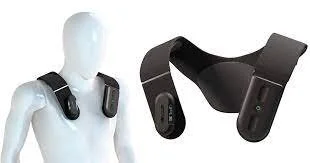
Instead the Objective Acuity vision test uses software on an iPad to display a proprietary moving pattern and induce optokinetic nystagmus (OKN), an involuntary reflex movement of the eye, which is captured and interpreted through the iPad Pro camera.

“Early and accurate detection of vision problems in young children has long been a challenge, and yet it is hugely important. If issues are missed early in life, it can reduce educational achievement and potentially lead to lifelong deteriorating vision,” says Mr Podmore.

We look forward to having this sort of test readily available in our consulting room

Cataract Considerations

One of the common issues optometrists see in our consulting room is cataracts. Of all the problems you can have with your eyes, we can offer reassurance because for most, cataract are easily treated. Cataract surgery is one of the most commonly performed elective surgeries in the Western World. With modern surgical techniques the outcomes are, for most people, very successful.

Dr Fred Hollows Eye Surgeon

Dr Fred Hollows

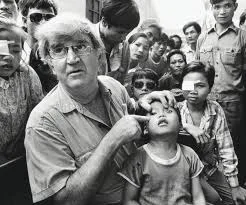
For many New Zealanders cataract awareness was raised by Kiwi eye surgeon Dr Fred Hollows (pictured above), and his work to improve access to cataract surgery.

In New Zealand most people will be having cataract surgery much earlier than those in other developing nations.

The routine procedure for surgery is to replace the clouded lens with an implant. The implant lens is designed to restore clarity of vision, and also aims for optimal focus. This usually means the clearest vision possible for distance vision. Following surgery most people continue to use glasses for reading and seeing detail at a close range.

Modern cataract surgery, as with most of life in the 21st century, involves more choice now. Now it is routine practice for eye specialists to use different powered lens implants, and offer to set the focus of each eye individually. Often this involves deliberately setting one eye to see more clearly at a close range while the other eye sees better in the distance - commonly called 'blended vision'. Multifocal lens implants are also becoming more popular, the in-eye, version of the modern progressive lens.

Modern instruments aim to accurately measure the eye to calculate the ideal desired lens implant power. But there are still occasional surprises with the final result - the surgery is still performed on a human eye! Through my experience testing people for glasses after cataract surgery I have the following recommendations:

  • Consider carefully what is important to you for your vision and lifestyle. For example if you are passionate about boating, seeing clearly in the distance with both eyes, this may be the best option. If you enjoy sewing and handcrafts then I would aim for both eyes to have similar vision to give best depth of focus.

  • Understand what clarity of vision you would like to have. If you have worn glasses you may be used to very sharp focus. To achieve this after surgery your glasses may still be needed, and you may be happy with that. 

  • If you are considering blended vision, trial this concept in contact lenses before you have surgery - this gives you a chance to see how you adapt.

  • Talk to your optometrist about your options. Your optometrist knows you and your eyes, and has a good understanding of what is important for you and your vision.


Migraine Aura

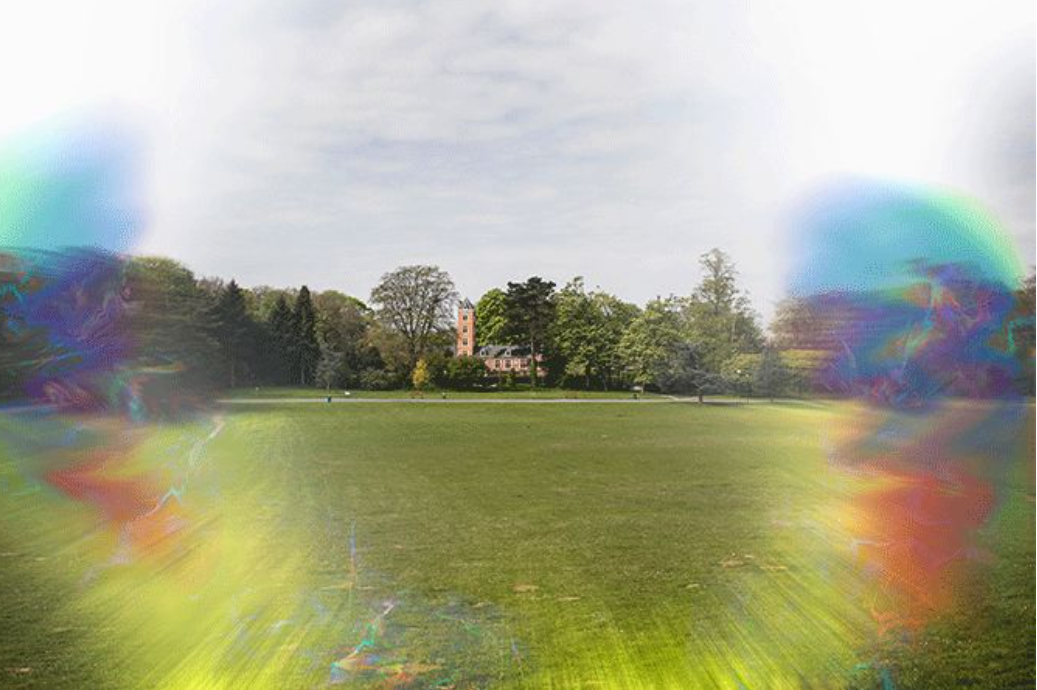
We routinely see people who are distressed by sudden changes in their vision, often out of the blue. Their vision develops blind spots, blurred patches or seeing black and white zig zag patterns, often in an arc shape. Scintillations, kaleidescopic or prismatic effects are also common symptoms.

These symptoms are commonly attributed to a visual migraine aura, thankfully most of these symptoms will completely resolve within an hour.

Either a headache will follow or there will be some milder feelings of being ‘washed out’. The vision changes will make you feel like taking a break, so feel free to rest or have a cup of tea to soothe the nerves.

When we examine the inside of the eye, everything usually appears healthy and normal. We can conclude that these effects are not caused by a problem with your eye.

For a more detailed description on how migraine auras occur, feel free to click this safe link for further information. https://migrainecanada.org/