COVID-19 Keeping Safe @ Alert Level 3

Emerging from Alert Level 4 we want to reassure you we are here to provide eye care for our community. We are committed to operating in a safe manner to reduce risks for you and our team. This means you will notice we are doing things differently.

Unfortunately until we go to Alert Level 2 we remain unable to do our regular face to face consultations. But we are able to help essential workers however we can. And we can help anyone who need replacement glasses in order to be able to function and live normally. Please read the following information about operations under Alert Level 3.

  • We are screening everyone at the time of booking and deferring appointments for 14 days for anyone who is unwell.

  • Outside the door we have posters reminding people not to enter if they are unwell or have signs or symptoms suspicious for COVID-19

  • We will allow a limited number of people into our practice at any one time - this is to allow for physical distancing.

  • We will have a contact register for everyone entering our practice.

  • Hand sanitiser available for use throughout the practice.

  • Our waiting space is clean with social distancing observed.

  • We are cleaning and disinfecting equipment, including our eftpos machine, between each use, and cleaning all surfaces regularly.

  • Good hygiene is part of our every day focus; our team understands the importance of hand hygiene, staying home if sick, covering coughs and sneezes and social distancing - not touching or shaking hands with anyone.

  • Our team have appropriate PPE, including masks and face shields.

We are working closely with the Optometrists and Dispensing Opticians Board, and taking advice from the Ministry of Health.
 
Anyone who has any concerns can phone Healthline on 0800 611 116 or talk to us via email or phone.
Tele-consultations

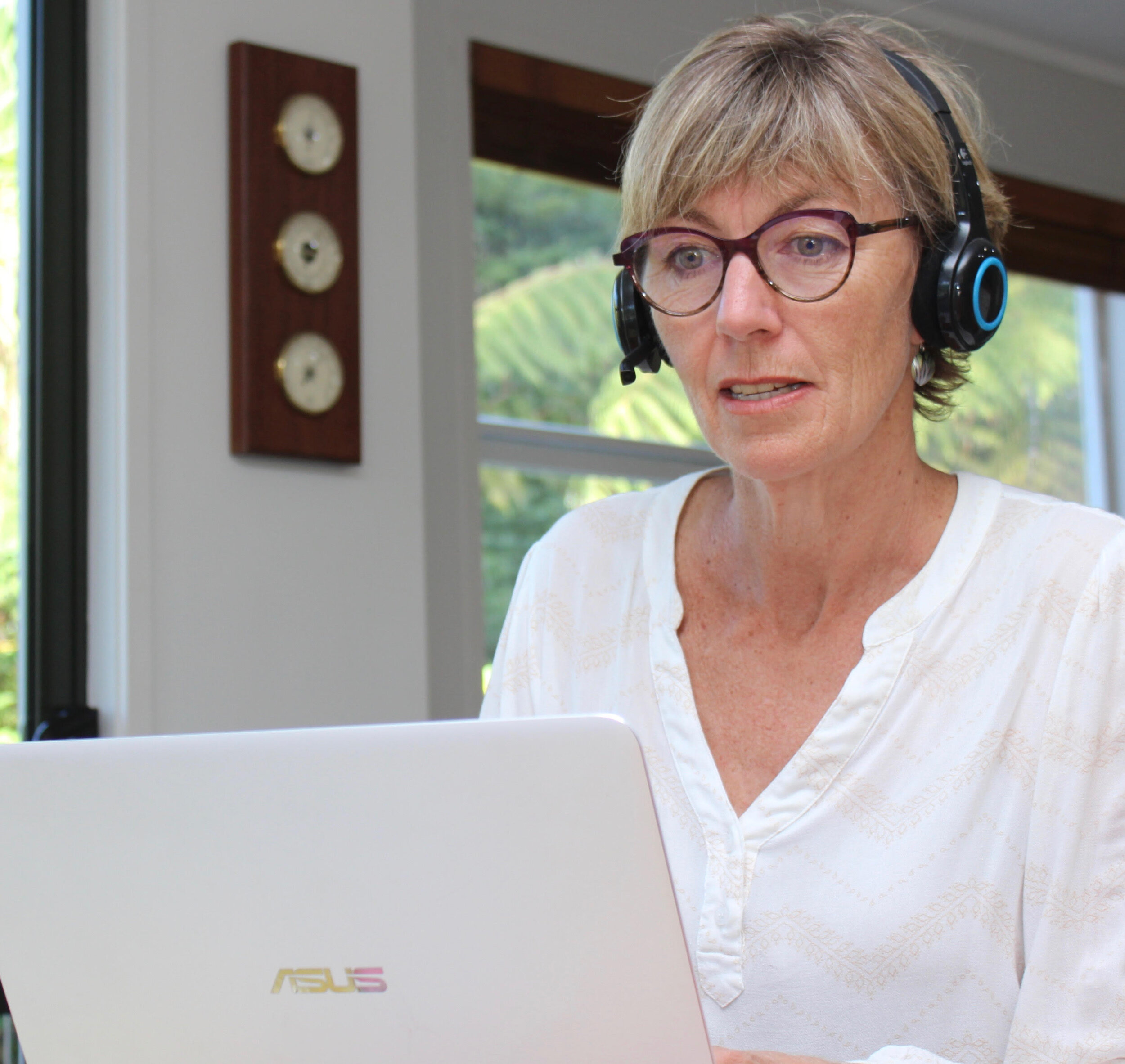
Under Alert Level 3 we are not yet able to have face to face consultations, but we are available for tele-consultations. 

Claire McDonald Tele-consulting

Claire McDonald Tele-consulting

Naturally we cannot measure your vision or use the microscope over the phone! But our experience in these weeks of lock down has shown us how we can use our expertise to provide a valuable service. This has applied to people we know already, who are part of our McDonald Adams community, and also newcomers. Vision is very precious, and a consultation can be very reassuring. Tele-consultations led to an Eye Clinic referral on one occasion. In some cases we have planned reviews once we are able to do face to face consultations again - in Level 2. We are helped by the ease of digital photography when you need to show us your eyes.

If you have any concerns about your eyes or vision please don't hesitate to contact us; email admin@mcdonaldadams.co.nz  or phone 09 425 9646

COVID-19 and it's impact on myopia - what parents can do

Children reading in sun (2).png

The COVID-19 Level 4 Alert has us all in lockdown. This has forced children to "shelter in their homes".  And what do most children do when at home?  They play video games, and look at digital screens for hours and hours.  Lack of outdoor time and extensive near work are both serious risk factors for increasing myopia (shortsightedness) in children. We now know that myopia increases the risk of permanent sight-threatening disease later in life.
     
Will we see a large increase in children developing short-sightedness in the next year?  Will myopic children find that their prescription increases in strength at a faster rate in the coming year due to the COVID-19 lifestyle restrictions.  It is very possible.
 
So what can a parent do to lessen these serious challenges posed by the lockdown?
 
1.  Help your child go outdoors for 1 hour every day, take a walk to the park
2.  Invent interesting outdoor activities and participate with your children, see the links below for ideas.
3.  Get them to read or work on their devices outdoors. High light levels are thought to be a key protective factor of outdoor time in regards to myopia. Even under shade, umbrella, or with a hat and sunglasses, the light levels typically reaching a child’s eye will exceed that of indoors.  If they can’t get outdoors for this, then locate near natural lighting, for example, by a large window
4. Check they take a 10-minute break for every 30 minutes of screen time.
5  Be a model for your children by having healthy screen habits yourself.

Children reading in sun.png

Supporting Kids During the COVID-19 Pandemic | Child Mind Institute

250+ Creative Ways to Keep Your Family Sane During the COVID-19 Crisis
 
Good luck and stay safe (and sane).  Our practice is closed at the moment.  If you are concerned about your child’s eyesight or want to learn more about how we can limit myopia progression as they get older, feel free to get in touch with us via phone or email.

Safe Contact Lens Wear - COVID Considerations

Health advice about the novel coronavirus (SARS-CoV-2) that causes the respiratory disease, COVID-19, is changing rapidly as scientists learn more. We have been overwhelmed by advice on how to keep safe, including the need of eye protection.

The virus was found in the tear and conjunctival secretions of one patient with COVID-19 pneumonia and conjunctivitis. So the conclusion i SARS-CoV-2 can cause conjunctivitis, although cases are very rare.

It is timely to run through some reminders for all our contact lens wearers. If you are ill with cold/flu/COVID-19, don’t wear your contacts until at least 24 hours after symptoms resolve. It is well established that ‘strep throat’ (and colonisation of contacts by other bacteria as well as Streptococcus) is associated with increased risk of contact lens associated inflammation. As well as the risk or microbes getting onto your contact lenses, your dampened immune response while fighting an infection, increases risk of inflammation.

Annotation 2020-03-31 144449.png

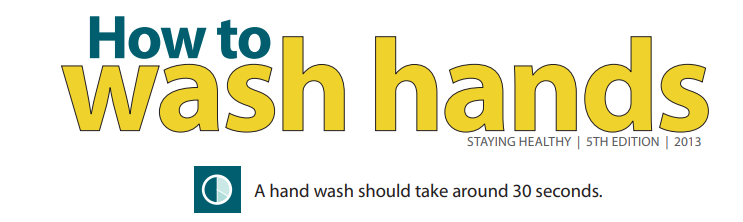
If you are well you can keep wearing your contacts, remembering to practice basic hygiene. This involves washing hands with soap and running water before you touch your contact lens or your eye. If soap and water are not available, the next best alternative is to use a 60% alcohol hand sanitiser. In both cases, use the WHO method covering all hand surfaces and lasting 20-30 seconds is essential.

You should pay extra attention to the tips of your fingers and thumbs which touch the lenses.

It is important to know SARS-CoV-2 is a virus enveloped in fat. This means that soap will repel the virus and break down the coating. Alcohol 60% is also effective against coronavirus after 30 second exposure. Remember the vital step, after washing, to rinse the virus off with running water and dry with a clean paper towel. The Center for Disease Control, in the US, has a video which highlights scenarios when it is difficult to follow prescribed hand hygiene.

Timely Reminders

A recent survey of over 950 daily disposable wearers in the US, found 44% did not wash hands before lens insertion. Not only is this COVID-19 situation a good opportunity to revisit hand hygiene, let’s take this opportunity to remind everyone on other aspects of healthy contact lens wear:

  • One time only wear of daily disposables

  • Disinfect re-usable contact lenses after each wear (following manufacturers’ guidelines)

  • Maintain contact lens case hygiene and timely disposal

  • Avoid overnight wear unless prescribed.

An invitation to watch the live stream of Glaucoma Patient Symposium

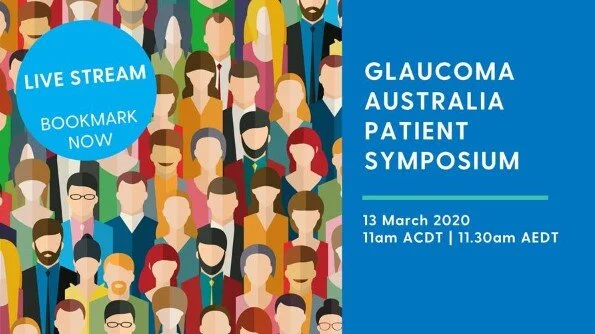
As part of World Glaucoma Week 2020 you and your family are welcome to watch the live streaming of the Glaucoma Australia Patient Symposium on Friday.

Glaucoma Australia is hosting this event in conjunction with Flinders University Centre for Ophthalmology, Eye and Vision Research.

Annotation 2020-03-12 103529.jpg

Date: Friday 13 March 2020
Time: 11.00am - 12.30 pm ACDT (11.30am AEDT) (13.30 NZDT)

Bookmark the url for your preferred channel and set a diary reminder:

Glaucoma and Genetics

Glaucoma specialist Professor Jamie Craig will talk about the latest research into glaucoma and genetics.

Collaborative Care Discussion Panel

You will hear from health professionals in the fields of ophthalmology, optometry, pharmacy and orthoptics discussing the benefits of collaborative care for people with glaucoma as well the patients perspective.

New lens for driving - EnRoute

We are often asked for lenses which will help with driving vision - now we have an answer.

Driving is one of the most important activities in our daily lives according to data collected by Hoya. It is also very demanding on our visual system. Our eyes are processing huge amounts of visual data and shifting viewing focus quickly and often. Then add weather conditions, rain and sunlight. Driving in low light or at night is also challenging for many people. It is easy to be distracted by bright lights and glare. The increased luminance of modern LED and Xenon headlights is especially dazzling. Depth perception, the ability to distinguish colour and peripheral vision are all decreased. The blue light emitted by on-board equipment adds more challenge. It is estimated 90% of a driver’s reaction time depends on vision, so how can we improve this?

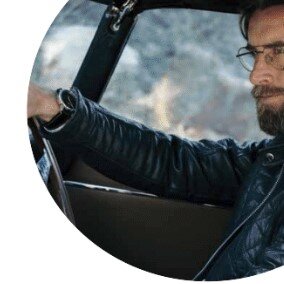
EnRoute lenses have a glare filter, as well as contrast-enhancing technology. This minimises stress on the visual system for a more relaxed driving experience. Some of the noticeable improvements are:

Enroute bubble.jpg
  • Significantly reduced reflections and uncomfortable glare from oncoming traffic

  • Improved contrast and brightness perception in low-light conditions, fog and rain

  • Clear, unimpaired vision in the far distance, the dashboard, and mirrors

These lenses are perfect for everyday, or can be a dedicated driving lens. The lenses are available in single vision prescription, and also in progressives. Ask us how these lenses could help you.